
What Is Toe Feather? How This Common Tire Wear Pattern Reveals Alignment Problems
What Is Toe Feather? How This Common Tire Wear Pattern Reveals Alignment Problems
Discover what toe feather is, how to identify it on your RV tires, and why it may signal a serious alignment issue. Learn how toe-in and toe-out affect handling and tire life.
Why Are My RV Tires Wearing Unevenly?
Uneven tire wear is one of the earliest warning signs that something isn't right with your RV's alignment. One wear pattern that often gets overlooked is called toe feather.
While it may not be as obvious as a bald spot or cupping, toe feather can tell you a lot about how your coach is tracking down the road and whether your alignment needs attention.
Let's break down what toe feather is, what causes it, and why it matters.
What Is Toe Feather?
Toe feather is a tire wear pattern caused by excessive toe-in or toe-out.
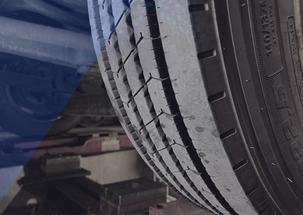
Instead of the tread wearing evenly across the surface, one edge of each tread rib becomes sharp while the opposite edge becomes rounded. This creates a stair-step or sawtooth appearance across the tire tread and makes the wear pattern much easier to identify visually.
In many cases, you can feel toe feather long before you can see it.
What Is "Toe" in an RV Alignment?
Toe refers to the direction the tires point when viewed from above.
•Toe-in means the fronts of the tires point slightly toward each other.
•Toe-out means the fronts of the tires point slightly away from each other.
Most RV chassis are designed to run with a small amount of toe-in. This helps improve stability and promotes even tire wear.
When toe settings move outside specification, tire wear and handling problems can quickly develop.
How Can I Check for Toe Feather?
A simple hand test can often reveal toe feather.
Run your hand across the tread surface from one side of the tire to the other.
If the tread feels:
•Smooth in one direction
•Rough or sharp in the other direction
You may have toe feather wear.
A good comparison is petting a dog or cat. Going with the fur feels smooth. Going against the fur creates resistance. Toe feather creates a similar sensation on the tire tread.
Can You Actually See Toe Feather?
Sometimes.
In severe cases, the tread ribs develop a noticeable slope. One side of each tread block becomes rounded while the opposite edge becomes sharp.
This creates a stair-step appearance across the tire tread and makes the wear pattern much easier to identify visually.
What Causes Toe Feather?
The most common cause is incorrect toe alignment.
In the example discussed during this Tech Time Tuesday episode, the coach was running a significant amount of toe-out. The tires were effectively trying to steer away from each other as the vehicle traveled down the road.
This excessive toe-out created severe feathering across the tread and accelerated tire wear.
How Does Too Much Toe-Out Affect RV Handling?
Excessive toe-out can cause several drivability issues, including:
•Wandering
•Constant steering corrections
•Reduced straight-line stability
•Driver fatigue
•Rapid tire wear
Many RV owners describe the feeling as the coach wanting to go in multiple directions at once.
What About Too Much Toe-In?
Too much toe-in can also damage tires.
While it may not create the same wandering sensation as excessive toe-out, it can cause:
•Increased rolling resistance
•Accelerated tire wear
•Reduced fuel efficiency
Both conditions shorten tire life and should be corrected as soon as possible.
Can a Simple Alignment Save My Tires?
In many cases, yes.
A proper alignment ensures the tires roll straight and evenly across the road surface. When toe settings are correct, tire wear is reduced and handling improves.
The key is catching the problem early.
Once severe feathering develops, the tire has already suffered permanent wear. Correcting the alignment will stop further damage, but it cannot restore lost tread.
When Should I Have My RV Alignment Checked?
Consider an alignment inspection if you notice:
•Uneven tire wear
•Steering wander
•Pulling to one side
•Feathered tread edges
Besides tire wear and drivability issues, there are factors that can indicate your alignment may no longer be in spec:
- If you’ve had recent steering/suspension repairs (a good shop should already account for this)
- You’ve experienced a hard impact with a curb or pothole
- You have a coach with independent front suspension (IFS) and your loading/ride height has changed”
Toe feather is more than a strange tire wear pattern. It's often a warning sign that your RV's alignment is out of specification.
A quick inspection of your tire tread can reveal issues that affect both handling and tire life. If your tires feel rough in one direction and smooth in the other, it's time to have the alignment checked.
Addressing alignment issues early can improve safety, extend tire life, and make your RV more enjoyable to drive.
Need help diagnosing unusual tire wear? Contact Henderson's Line-Up for professional RV alignment and handling services. Thank you for reading this blog and until next time we wish you safer and happier driving!